
Understanding the Changing Granny Flat Regulations in New Zealand
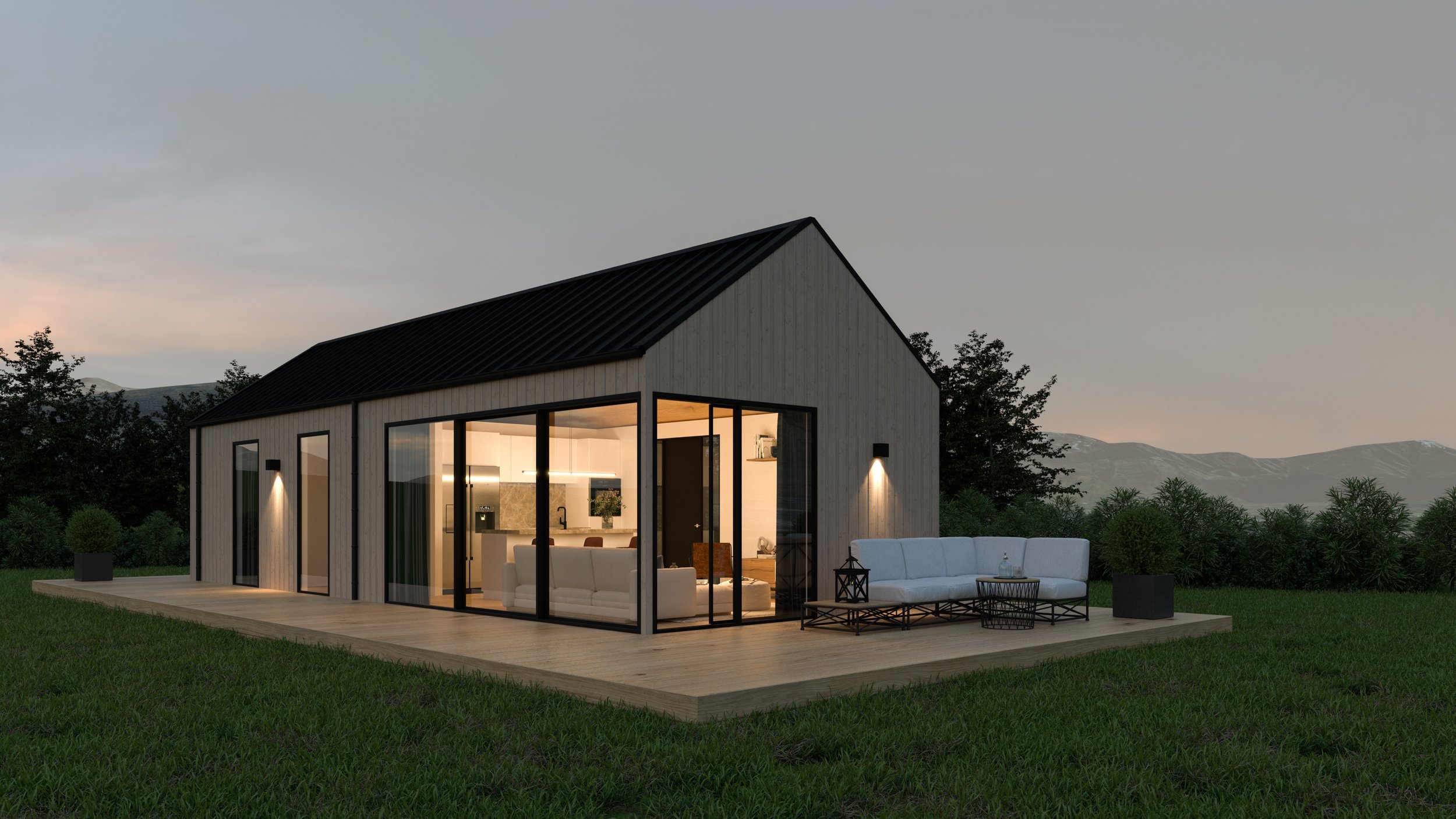
Planning to add a granny flat to your Auckland property? Significant changes to granny flat regulations in NZ are set to take effect in early 2026, making it easier and more affordable for property owners to add a secondary dwelling without the usual consent hurdles.
Whether you want to accommodate family members, generate rental income, or increase property value, understanding the new changes will help you plan your project confidently. As experienced architectural designers, we've designed several granny flats in Auckland, so let us guide you through what the upcoming changes mean.
What are the Current Granny Flat Rules?
Right now, you need building consent to add a granny flat to your property, and in most situations, resource consent from the Auckland Council as well. Building consent confirms that your structure meets the safety, insulation, drainage, and electrical requirements set out in the New Zealand Building Code.
Whether resource consent is required depends on factors like your property's zoning, how much of your site is covered by buildings, boundary setbacks, and whether your plans align with the Auckland Unitary Plan.
While the consent process is there for good reason, it's often slow and costly, especially once you factor in the council fees and extra reports you may need.
What’s Changing?
The Government has passed enabling legislation for reforms, with the final regulations expected to come into effect in early 2026. These changes will remove major consent barriers, making it easier than ever to create an extra living space on your land with a granny flat.
Building Consent Exemption
Granny flats up to 70 square metres will no longer require building consent if they meet specific conditions, including a single-storey design, compliance with the Building Code, and construction (or supervision) by Licensed Building Practitioners.
You’ll still need to notify the council before starting and after completing the build, but you’ll bypass the usual consent process.
Resource Consent Exemption
A new National Environmental Standard (NES) will remove resource consent requirements for one granny flat per property on residential and rural-zoned land. However, this exemption only applies if your design meets all of the NES “permitted activity” standards. These include requirements around height, boundary setbacks, outdoor space, and maximum site coverage.
Importantly, the granny flat exemption will not apply to properties with certain overlays or constraints—such as flooding hazards, coastal inundation risk, heritage protections, significant ecological areas, or other locally sensitive zones.
In these cases, resource consent may still be required even if the building itself meets the general design standards.
What Still Applies
Your granny flat must comply with the New Zealand Building Code. Development contributions may still apply depending on your site and infrastructure impact. Licensed professionals must handle construction, and you must notify the Auckland Council at the project start and after completion.
For many homeowners, this shift could mean saving a surprising amount of time and money throughout the process.
Why These Changes Matter
For Auckland property owners, these regulatory changes make granny flats a far more practical option. Until now, adding a granny flat has often come with some big headaches—these reforms change that.
Cost & Time Savings: Save on project consent fees and consultation reports, while reducing your project timeline by weeks or months.
Multi-Generational Living: Create a comfortable space for older parents, grown children, or other family members.
Create Additional Income: Build a reliable income stream to help cover your mortgage payment or save up a nest egg.
Increase Property Value: A well-designed granny flat, like those designed by Mako Architecture, can enhance your property's market appeal.
How the Rules Affect Your Granny Flat Project
Consent Requirements
Understanding the new granny flat regulations in NZ means knowing what’s been simplified and what remains mandatory. While you bypass traditional consent applications, you must still notify the council before and after construction.
You’ll also need a Project Information Memorandum (PIM) to identify site-specific constraints and calculate any development contributions your project may attract.
Flexibility & Opportunities
The 70m² size allowance offers great design flexibility, allowing property owners to create a space with one or two bedrooms, a full bathroom, a kitchen, and a living area. It’s enough for a comfortable, self-contained living space.
Your granny flat must be single-storey and detached from your main dwelling. However, within these parameters, there is still room for creativity. You can incorporate outdoor decking, covered patios, and storage solutions to maximise functionality.
Working with our experienced architectural designers, we can design your space within the permitted height, setback, and site coverage standards, ensuring everything meets the necessary requirements.
Site-Specific Considerations
Not all Auckland properties will qualify for the granny flat exemption. Properties with overlays such as flooding hazards, heritage protections, significant ecological areas, or coastal inundation risks may still require resource consent, even if your granny flat design meets the general standards.
Other factors affecting your eligibility include geotechnical constraints, existing site coverage, and district plan requirements for your zone. An early assessment helps identify any potential issues before you invest time and money into detailed design work.
Our architectural designers can assess your property’s suitability for a consent-exempt granny flat and identify constraints that may necessitate alternative approaches or additional consents.
Planning Your Granny Flat Project for 2026
If you're hoping to get your build underway as soon as the new rules come into force, it's worth getting the groundwork in place now. Begin by checking whether your property has any constraints (overlays, zoning rules, site-specific risks), as these can affect whether your project qualifies for the exemption.
From there, get clear on what you need from your granny flat and the budget you're working with. This will help shape your design choices and avoid surprises later on down the line.
You'll also need a PIM from the Auckland Council to confirm your site's suitability and outline any potential development contributions.
Partnering with an experienced team like Mako Architecture keeps this process steady and well-organised. We'll help you get more out of the 70m² allowance and ensure your granny flat meets the relevant requirements while adding genuine value to your property.
When do the New Rules Come Into Effect?
The new granny flat regulations in NZ are due to come into effect in the first quarter of 2026. If you start construction before the exemption takes effect, your project will still require traditional building and resource consents under the current rules.
However, you can start the planning and design work now to ensure you’re ready to start building as soon as the new regulations are in place. Preparing ahead of time will allow you to finalise your design, engage professionals, and position your project for a smooth start in 2026.
Talk to Our Architectural Designers About Your Granny Flat Project
Ready to take advantage of the upcoming granny flat exemptions? Our architectural designers create tailored designs to maximise your space, enhance property value, and seamlessly integrate with your existing home’s design.
We understand Auckland’s local requirements and can guide you through the new regulations, ensuring your project is positioned for success. Contact us to discuss your vision and see what’s possible for your property.